Aloha Vibes: How to Do a Hawaiian Homecoming Theme for 2026 (Without the Cringe)
Updated 8-July-2026
Homecoming is the best weekend of the fall, but pulling the night together without losing your mind is an absolute feat. If your school's spirit committee just announced a Hawaiian or tropical theme for 2026, you're probably already picturing tiki torches and flower crowns. Good instinct. But before you order a truckload of plastic leis, there's something worth knowing.
Hawaiian and luau-themed school events have quietly become a real conversation over the past few years — not internet outrage-bait, just a genuine, ongoing discussion about what it means to borrow the aesthetics of a living culture for one night of fun.
We're going to walk through both sides of that honestly, then get into the actual decor, outfit, and DIY ideas that'll make your night look incredible either way.
🌺 Quick Facts: Hawaiian Homecoming Themes
- 🎨Go-to color palette: coral, turquoise, sunset orange, soft green
- 🌸Buy leis from a Native Hawaiian-owned seller (Etsy has several) instead of mass-produced plastic ones
- 💃Skip hula "performances" unless someone involved is actually trained — music and lighting carry the mood instead
- 💰Full gym decor transformation: roughly $150–250 on a school committee budget
- 🏝️Want to sidestep the debate entirely? "Tropical Paradise" or "Island Nights" use the same look, different name
Wait — is a Hawaiian theme even still okay for homecoming?
Short answer: it depends on how you do it, and it's worth five minutes of thought before your committee locks it in.
The core issue isn't the color palette or the flowers. It's that things like hula, leis, and luau feasts aren't just decorative motifs — they're living cultural and, in some cases, spiritual practices. The American Camp Association has pointed out that most participants at Hawaiian or luau-themed events copy actual Hawaiian customs, like hula, without any awareness of what those practices actually mean, and that a real luau historically wasn't a casual party at all — it was reserved for major milestones like graduations and weddings. Treating that as a costume theme for one Friday night is where people run into trouble.
That doesn't mean the whole idea is off the table. It means the version worth doing looks a little different from the "hula girl" caricature you might picture. One useful way to think about it: appreciation asks who's telling the story, who benefits, and whether you're engaging with something real or a flattened, stripped-down version of it made purely for entertainment. Practically, that plays out in a few small but real choices:
Skip the coconut-bra costumes, the exaggerated "hula dance," and anything that turns a real cultural practice into a punchline.
If you want leis, buy them from a Native Hawaiian-owned shop rather than a generic party store — it's the same five minutes of extra effort and it actually matters.
Lean into the tropical paradise side of the aesthetic — palm leaves, sunsets, ocean colors — rather than trying to recreate specific Hawaiian ceremonies or dances you don't have context for.
Honestly? A lot of schools are quietly rebranding these nights as "Tropical Paradise" or "Island Nights" for exactly this reason — same vibe, same decor budget, zero risk of the whole thing turning into a homecoming-week controversy. We'll flag which ideas below work under either name.
Setting the scene: decor that actually looks like a paradise, not a party store
Here's the good news — most of what makes a Hawaiian or tropical theme look expensive is cheap, and a decent chunk of it you can DIY the week before.
Entrance and photo backdrop. This is where people take their first pictures of the night, so it's worth the extra effort. Palm fronds (real or the good fake kind, not the crinkly plastic ones) taped along a doorway instantly change the mood. A simple painted sunset backdrop — orange, pink, and purple gradient on a bedsheet or butcher paper — costs almost nothing and photographs beautifully.
Lighting. String lights in warm white, plus a few battery tiki torches along walkways, do most of the heavy lifting. Skip anything that reads as a caricature (grass-skirt lampshades, plastic tiki masks) and lean into ambient warmth instead — think sunset, not luau clip art.
Tables. Blue and green balloon clusters arranged to look like ocean waves are a surprisingly cheap trick that reads as much more expensive than it is. Add a few real or silk hibiscus blooms scattered down the center of each table instead of confetti.
Color story, if you want one to hand to your decor committee: coral, turquoise, sunset orange, and a soft green. That palette works for both a "Hawaiian" and a "Tropical Paradise" theme, so it's a safe pick even if the name changes.
If your school already went the Texas homecoming mum route in past years and you're wondering how a totally different regional tradition even ended up as a homecoming staple, our deep dive on Texas homecoming mums is a fun read — it's the same "how did this become a thing" energy, just a different coast.
What to wear: island colors without the costume
This is where most people actually start when they search for this theme, so let's get specific.
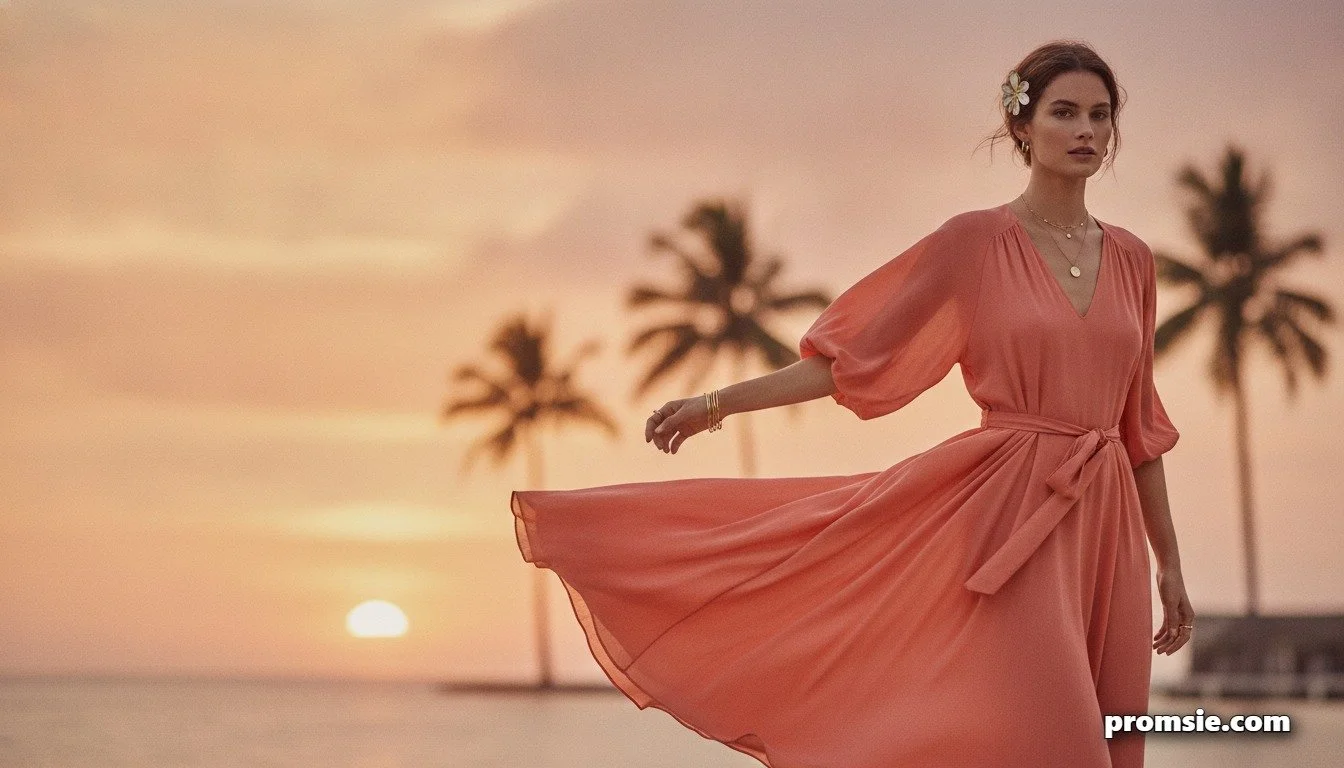
Florals are the obvious pick, and for good reason — a flowy floral dress in coral or turquoise does the theme's job without you having to say a word. Sequined or shimmery minis also work well if your gym's going for more "tropical night out" than "beach day." Either way, the trick is picking one or two Hawaiian-adjacent accents — a single flower in your hair, a lei you bought respectfully — rather than layering on five different tropical clichés at once.
Not sure whether to go short or long for the actual dress silhouette? That decision matters more for how your night feels than the theme does — we broke down the short-vs-long debate here if you're still deciding.
Budget's tight this year? A lot of the best tropical-theme looks are things you can thrift and modify rather than buy new — these upcycled homecoming dress ideas are a genuinely good source of inspiration if you want a one-of-a-kind look for under $65.
A few outfit specifics that photograph well against a tropical backdrop:
Coral or turquoise flowy midi or mini dresses
A single statement flower clip instead of a full floral crown (reads as elevated, not costume-y)
Gold or shell-style jewelry — simple, not a full grass-skirt-and-coconut-bra look
Sandals or dressy flats over heels if your venue includes any grass or sand areas
Sourcing it respectfully (this part's easy, promise)
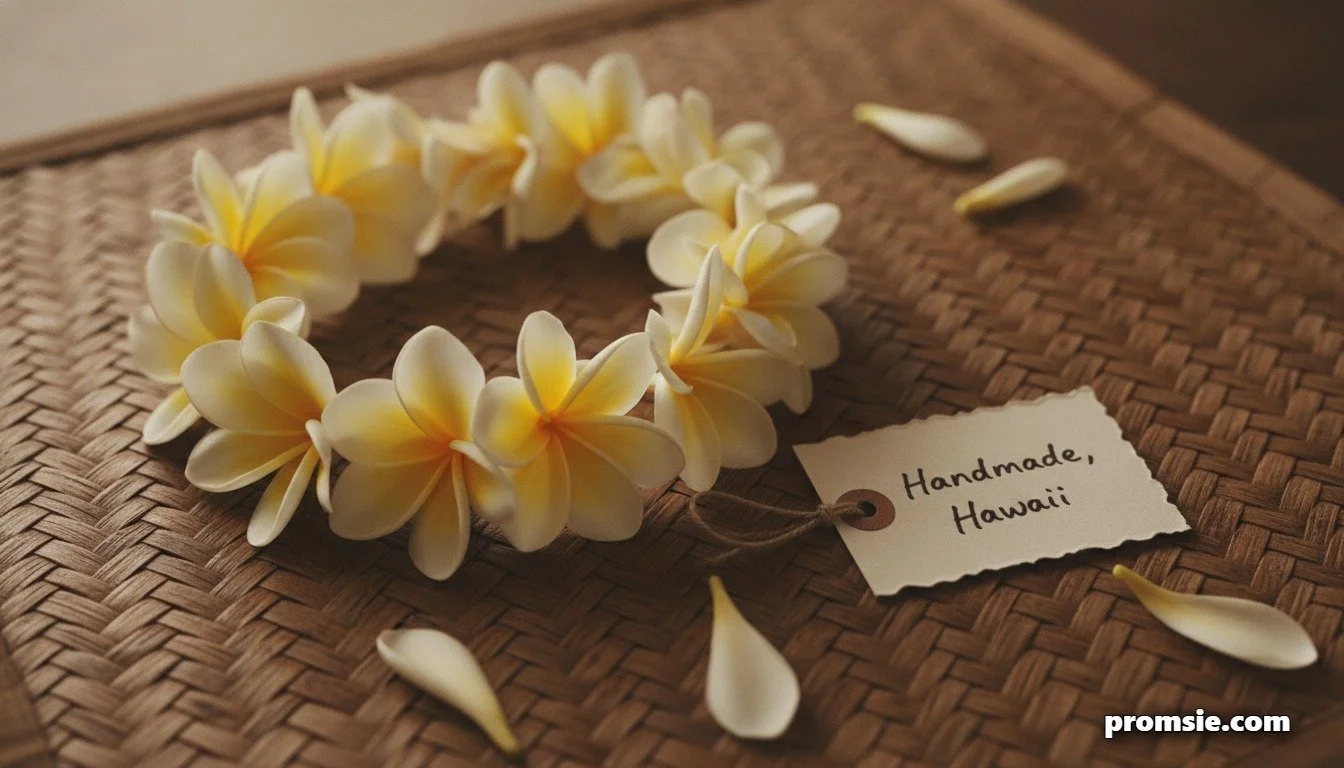
If your committee wants real leis rather than plastic ones, buy them from a Native Hawaiian-owned seller — Etsy has several, and it costs about the same as the mass-produced version from a party supply site. It's a five-minute swap that changes what the whole gesture actually means. A hand-strung flower lei from a local maker carries a different kind of care than a plastic one bought for a party back home, and it's genuinely a nicer keepsake besides.
Same logic applies to any "hula performance" idea some enthusiastic committee member suggests — if nobody involved actually knows hula, it's better left out entirely. Lean on music and lighting to set the mood instead of asking anyone to perform a dance they don't have the training or context for.
Quick budget breakdown
For a mid-size gym or cafeteria setup, here's roughly where the money goes if you're doing this on a school committee budget:
Backdrop and entrance decor: $40–70 (mostly DIY — paper, fabric, palm fronds)
String lights and battery tiki torches: $50–90
Table centerpieces (balloons + real or silk flowers): $30–60 for 8–10 tables
Leis for court or giveaways, sourced respectfully: $3–6 per lei
That's a full transformation for well under $300, which leaves room in most committee budgets for a photo booth prop table too.
FAQ: Hawaiian Homecoming Themes
Is a Hawaiian homecoming theme considered cultural appropriation? It can be, depending on execution. Costumes that mock hula dancers, plastic lei mass-consumption, and treating sacred practices as party props are the versions that draw real, valid criticism. A tropical color palette, respectfully sourced leis, and skipping any "performance" of dances nobody's trained in keeps things on the appreciation side of the line.
What's a safer alternative theme name if my school wants to avoid the controversy entirely? "Tropical Paradise" or "Island Nights" use the exact same decor palette — palms, sunsets, ocean colors — without directly invoking specific Hawaiian cultural practices. Most of the decor and outfit ideas in this guide work under either name.
What colors work best for a Hawaiian or tropical homecoming theme? Coral, turquoise, sunset orange, and soft green cover almost every decor and outfit decision for this theme, and they photograph beautifully under warm string lighting.
Where should I buy leis if I want the real thing instead of plastic ones? Etsy has several Native Hawaiian-owned sellers who make hand-strung leis for close to the same price as mass-produced ones. It's a small swap that makes the gesture mean something.
Do I need an actual hula performance for this theme to work? No — and unless someone involved is actually trained in hula, it's better left out. Music, lighting, and decor carry the mood just fine without asking anyone to perform a practice they don't have context for.