The Prom Autopsy: 10 Mistakes that Kill the Night
Prom doesn't just "go wrong." It’s usually a homicide—an evening systematically taken down by a series of avoidable, technical errors.
We’ve all seen the crime scenes: the $800 silk hem dragging through a wet parking lot, the "Ghost-Face" flashback in the official photos, and the mid-dinner collapse caused by a total lack of "Pre-Prom" fuel.
Most guides tell you to "have fun" and "be yourself." At Promsie, we find that advice dangerously vague. Fun is the result of a well-executed strategy; confidence is the byproduct of a look that has been stress-tested.
We’ve audited the 10 PM reality of thousands of students to bring you The Prom Autopsy. These are the ten most common points of failure—the structural, chemical, and social errors that kill the night—and exactly how to ensure your evening survives the forensic sweep.
01. The Ghost-Face Homicide
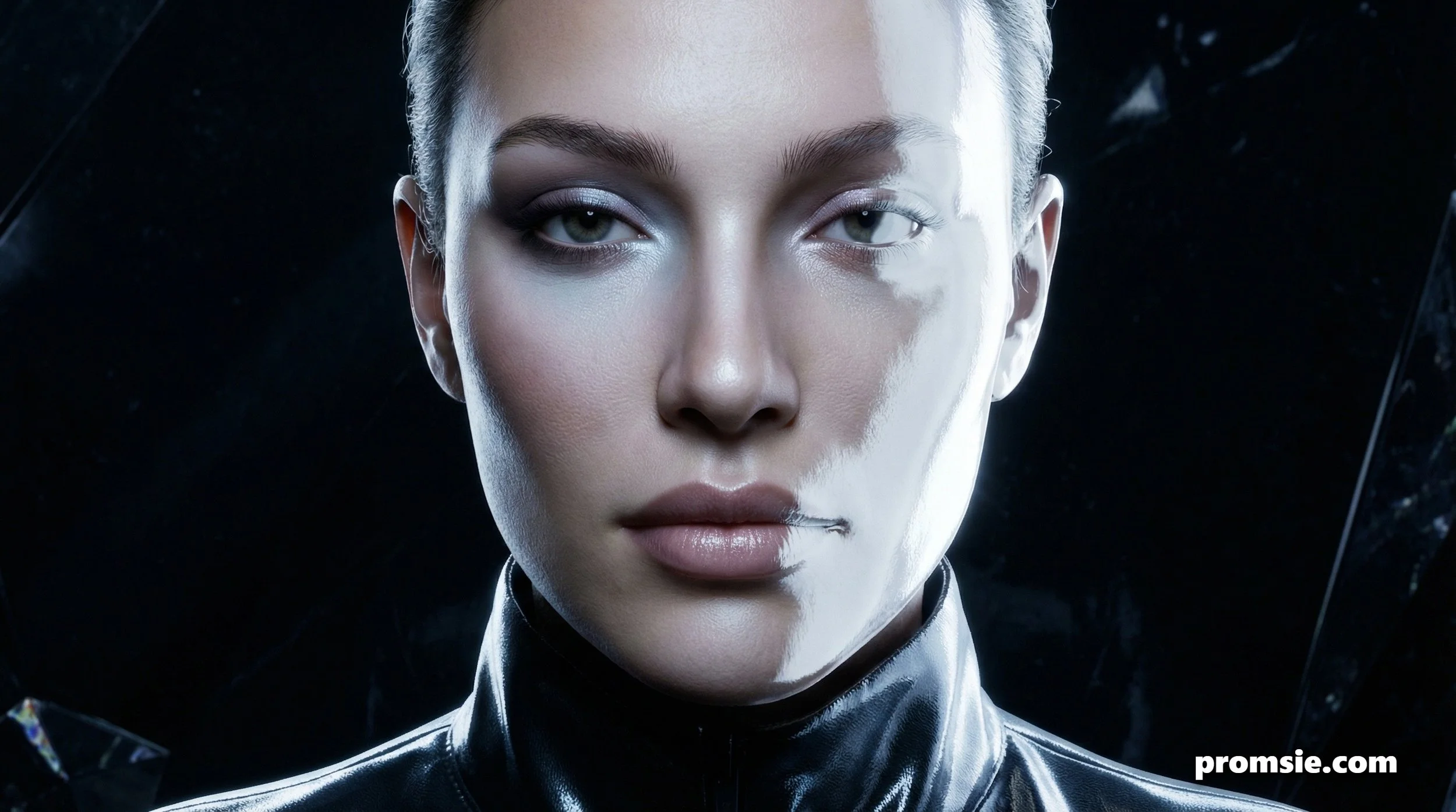
The most common photographic disaster is not bad lighting or a bad angle. It is the chemical composition of your foundation. You spend two hours contouring in your bathroom lighting, looking bronze and sculpted.
Then, the professional photographer hits you with a high-intensity flash, and the result is horrifying. Your face is a glowing, stark white mask floating above a tan neck.
This is called flashback, and it is caused by SPF ingredients, specifically Titanium Dioxide and Zinc Oxide. These are physical sunscreens. They sit on top of the skin and work by reflecting light away from your face to protect you from the sun.
Unfortunately, they do the exact same thing to a camera flash. When that burst of light hits your face, those minerals bounce it right back into the lens. To fix this, you have to read the ingredient label.
If you are going to be in flash photography, you need a foundation that is either SPF-free or uses chemical filters only. Do not let a mineral blocker ruin the permanent record of your night.
02. The New Shoe Trauma

There is a specific hubris in unboxing a pair of four-inch stilettos at 4 PM on prom day. You assume that because they fit in the store, they will fit after four hours of standing. This is physically impossible. As the evening progresses, your feet swell due to gravity, heat, and salt intake. A shoe that fits perfectly at 4 PM acts like a vise grip by 8 PM.
The friction coefficient of fresh, stiff leather against soft skin guarantees blisters before the appetizers are cleared. By 9 PM, you are that person barefoot on a dance floor covered in broken glass and spilled soda. The fix requires a two-week lead time.
Put on thick wool socks, jam your feet into the heels, and blast them with a hairdryer on high heat for five minutes. Walk around while they cool. The heat loosens the material, and the socks simulate the swelling your feet will experience on the big night. Mold them now so they do not maul you later.
03. The Undergarment Anarchy
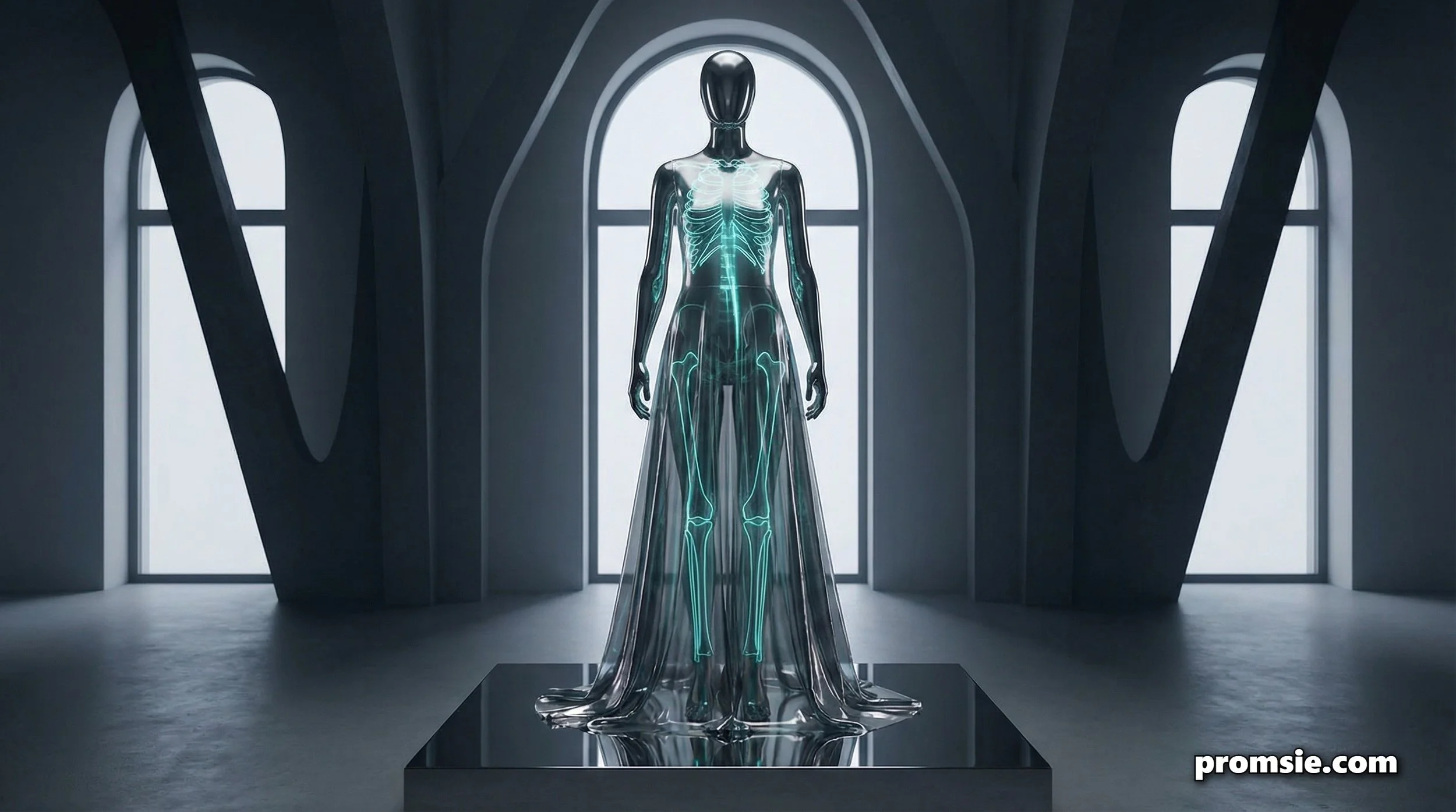
Most people buy the dress first and treat the undergarments as an afterthought. This is an architectural failure. The structure of your evening depends entirely on what is happening underneath the silk and sequins.
We see it every year: visible beige straps on a backless gown, the dreaded quad-boob caused by a cup that is too small, or a strapless bra that slowly migrates south, forcing you to yank it up every thirty seconds.
If you are wearing a complex gown—backless, plunge, or cutout—traditional lingerie will not work.
You need to purchase your shapewear before your final tailoring appointment. Bringing the exact bra, tape, or bodysuit to the tailor allows them to alter the dress to hide the infrastructure. If you wait until the day of, you will be stuck using duct tape and prayers, neither of which hold up against sweat and dancing.
04. The Neckline Traffic Jam

There is a visual matrix that dictates how your hair should relate to your dress, and ignoring it creates visual clutter.
The mistake is choosing a dress with an intricate, high neckline—maybe lace, beads, or a halter—and then wearing your hair down in massive, voluminous curls. The result is a traffic jam around your neck. The hair fights the dress. In photos, you look suffocated; you lose the definition of your jawline and the detail of the gown.
The rule is simple geometry. If the neckline is high or busy, the hair goes up. A high pony or a sleek bun creates negative space that allows the dress to breathe. If the neckline is open, strapless, or deep V, you have the clearance to wear your hair down. Do not make the viewer's eye work too hard to figure out where your hair ends and your dress begins.
05. The Hunger Crash
This is a biological inevitability that people ignore for vanity. The logic is that skipping lunch will make you look flatter in your dress. The reality is that skipping lunch depletes your glycogen stores.
You spend the afternoon running on adrenaline and hairspray fumes. Then, you drink a highly caffeinated soda or a sugary mocktail at the pre-party. Your blood sugar spikes and then crashes violently.
We call this The Faint. It usually happens right before the first dance or in the middle of a photo session. Your hands shake, you sweat cold, and you hit the floor. You cannot power a six-hour high-energy event on zero fuel.
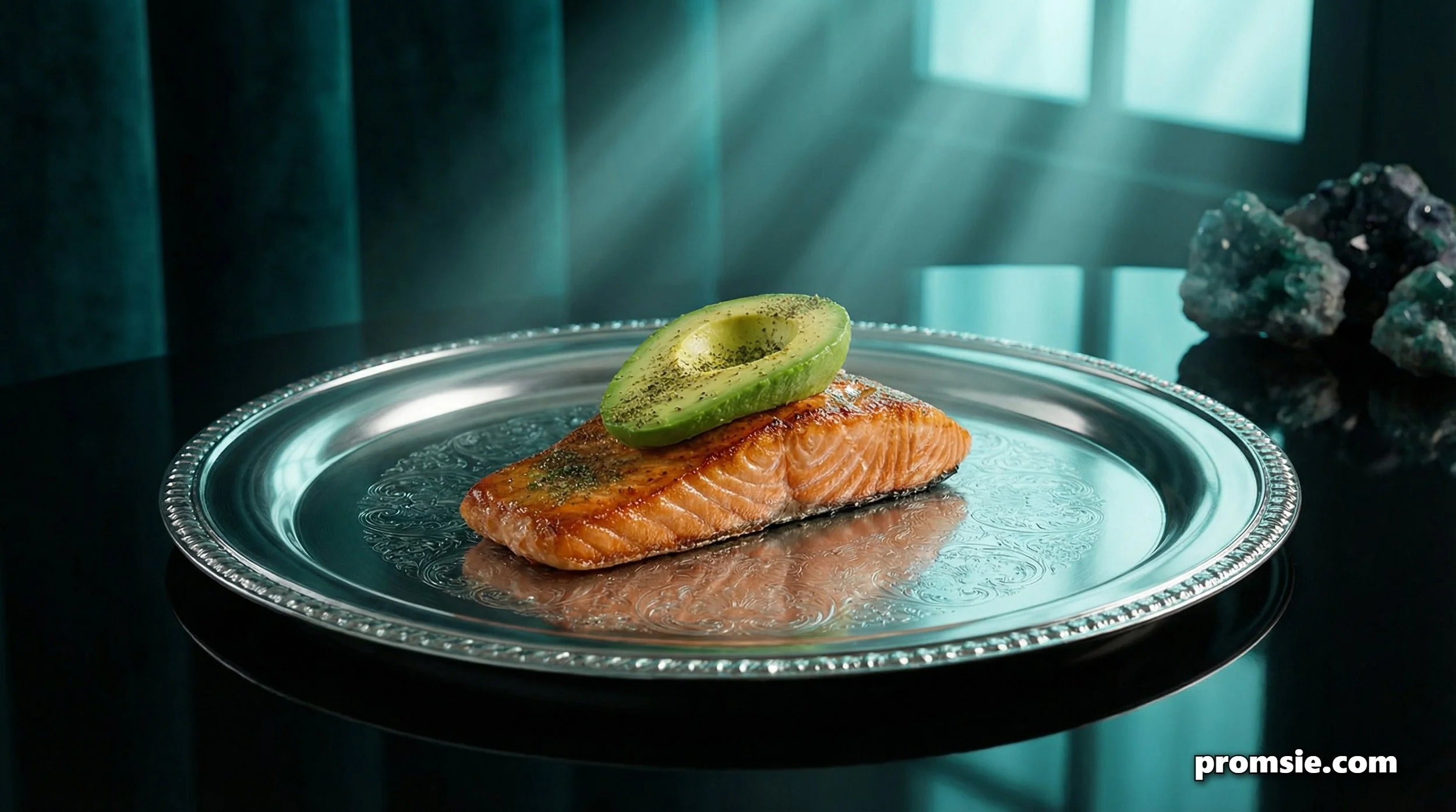
Eat a high-protein, low-sodium meal at 2 PM. The protein stabilizes your blood sugar, and keeping the sodium low prevents the water retention bloating you are afraid of. You need fuel, not emptiness.
06. The Fabric Friction Melt

Prom venues are essentially greenhouses. You pack hundreds of bodies into a room, turn up the heat with lights, and add physical exertion. If you chose a dress made of heavy, non-breathable polyester or cheap satin, you have wrapped yourself in plastic wrap. These fabrics do not breathe. They trap heat against your skin and refuse to let moisture evaporate.
The result is massive, visible sweat patches that do not dry because the fabric holds the water. You end up overheating, your makeup melts off, and you feel gross. When shopping, look for natural fibers or tech-fabrics, or at least ensure the lining of the dress is breathable. If you are committed to a heavy synthetic dress, wear moisture-wicking shapewear underneath to act as a barrier between your sweat glands and the silk.
07. The Mood-Link Dependency
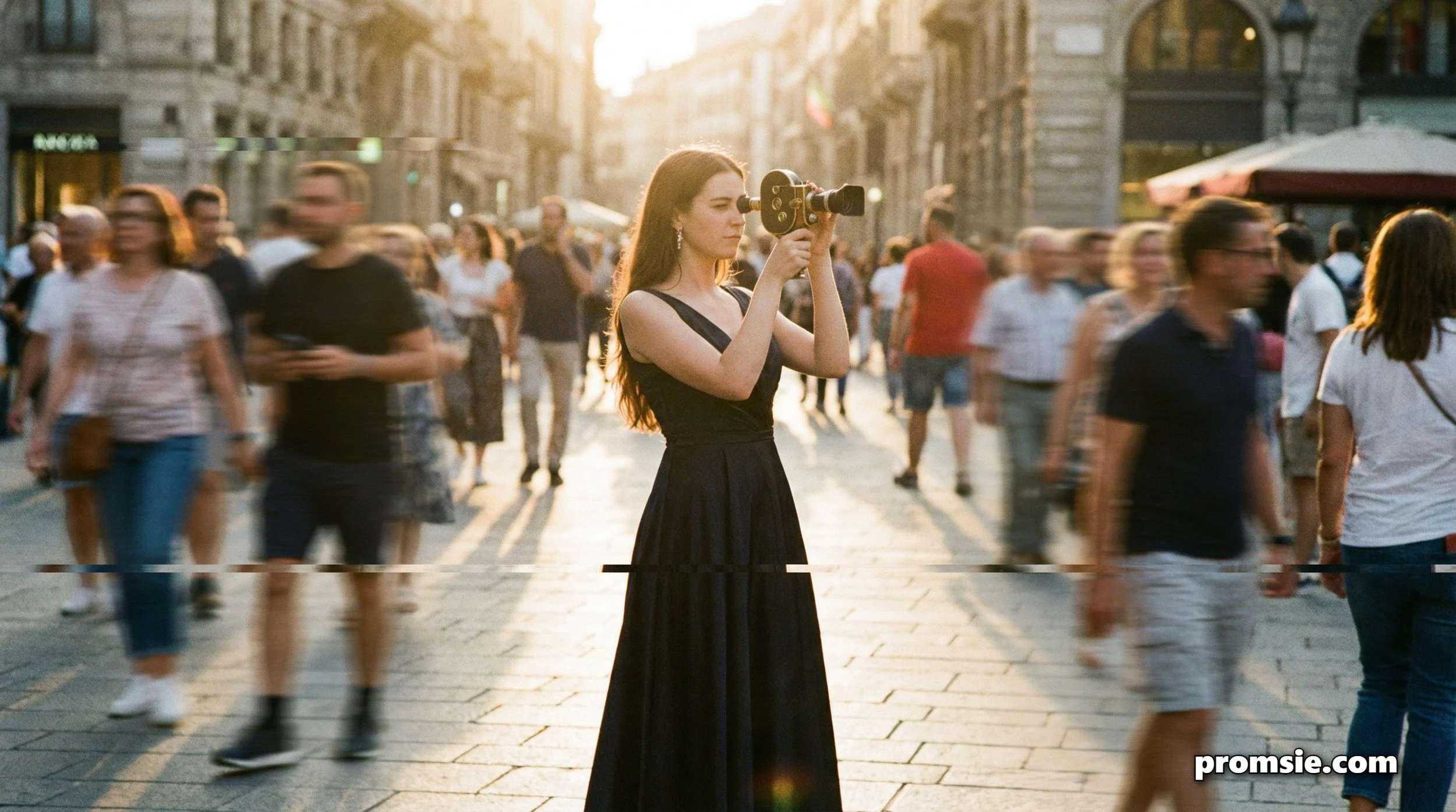
This is a psychological error. You tether your entire emotional state to your date. You decide that if they are having fun, you are having fun. But if they are awkward, bored, or would rather be gaming, you absorb that misery.
You spend the night asking, Are you okay? instead of dancing.
This codependency creates a friction that ruins the night for both of you. You need to be the Director of the Night. Your enjoyment must be an independent variable.
If your date wants to sit at the table and look at their phone, let them. You go to the floor. You hit the photo booth. Do not let one person's low energy act as an anchor on your high night.
08. The Surge-Price Stall
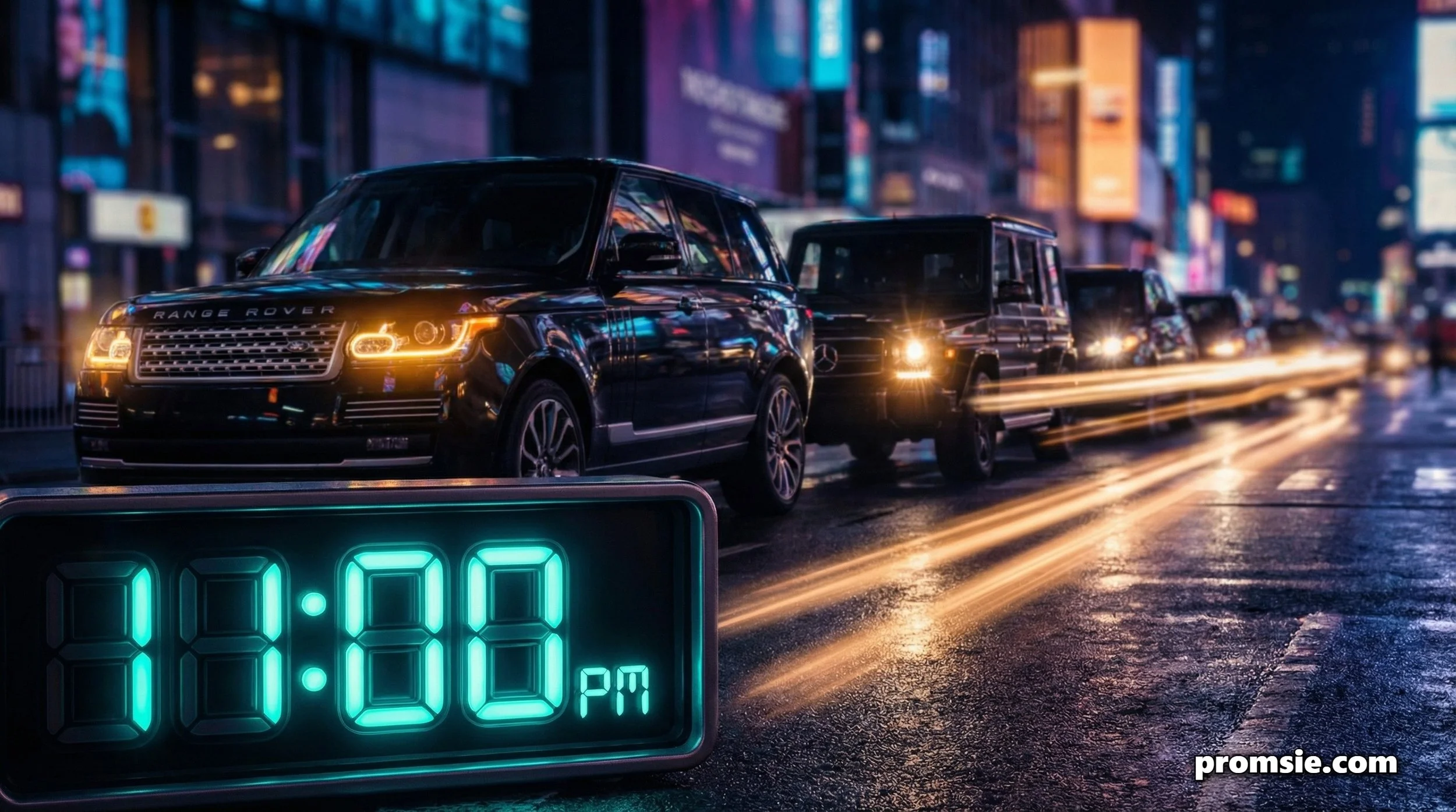
The night ends, and suddenly 400 people are trying to leave the same geographical coordinate at the exact same time. If your plan is just We will call an Uber, you are walking into a logistical buzzsaw.
The algorithms used by ride-share apps detect this spike in demand instantly. Prices will triple. A twenty-dollar ride becomes an eighty-dollar crisis.
Worse than the money is the wait time. You will be standing on a curb in cooling temperatures for forty-five minutes watching cars drive by. This is the most anticlimactic way to end a glamourous evening.
Pre-book a car service, organize a parent carpool, or have a designated Exit Captain in your group whose sole job is to secure transport thirty minutes before the music stops.
09. The Safety Pin Prayer
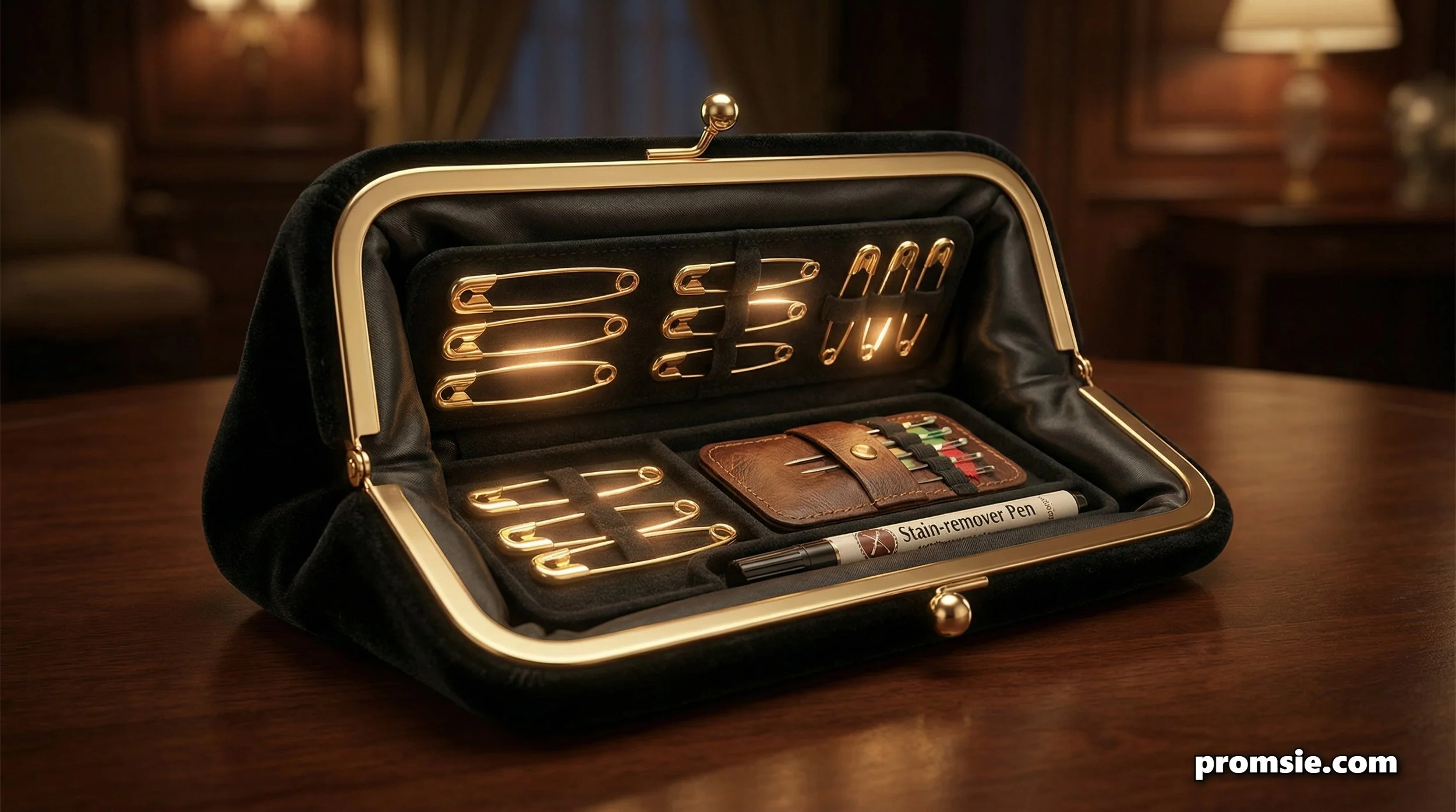
Entropy exists. Straps snap. Zippers derail. Hems get stepped on. Assuming your dress is indestructible is a rookie mistake. A single popped strap can render a dress unwearable, forcing you to hold your bodice up with one hand for the rest of the night. That is not a look; that is a hostage situation.
You need a 10-gram insurance policy in your clutch. A few safety pins, a strip of double-sided fashion tape, and a single stain remover wipe. This kit takes up less space than a lipstick but saves the entire timeline. When disaster strikes—and it usually does—you want to be the person with the solution, not the person crying in the restroom stall waiting for a miracle.
10. The Identity Over-Edit
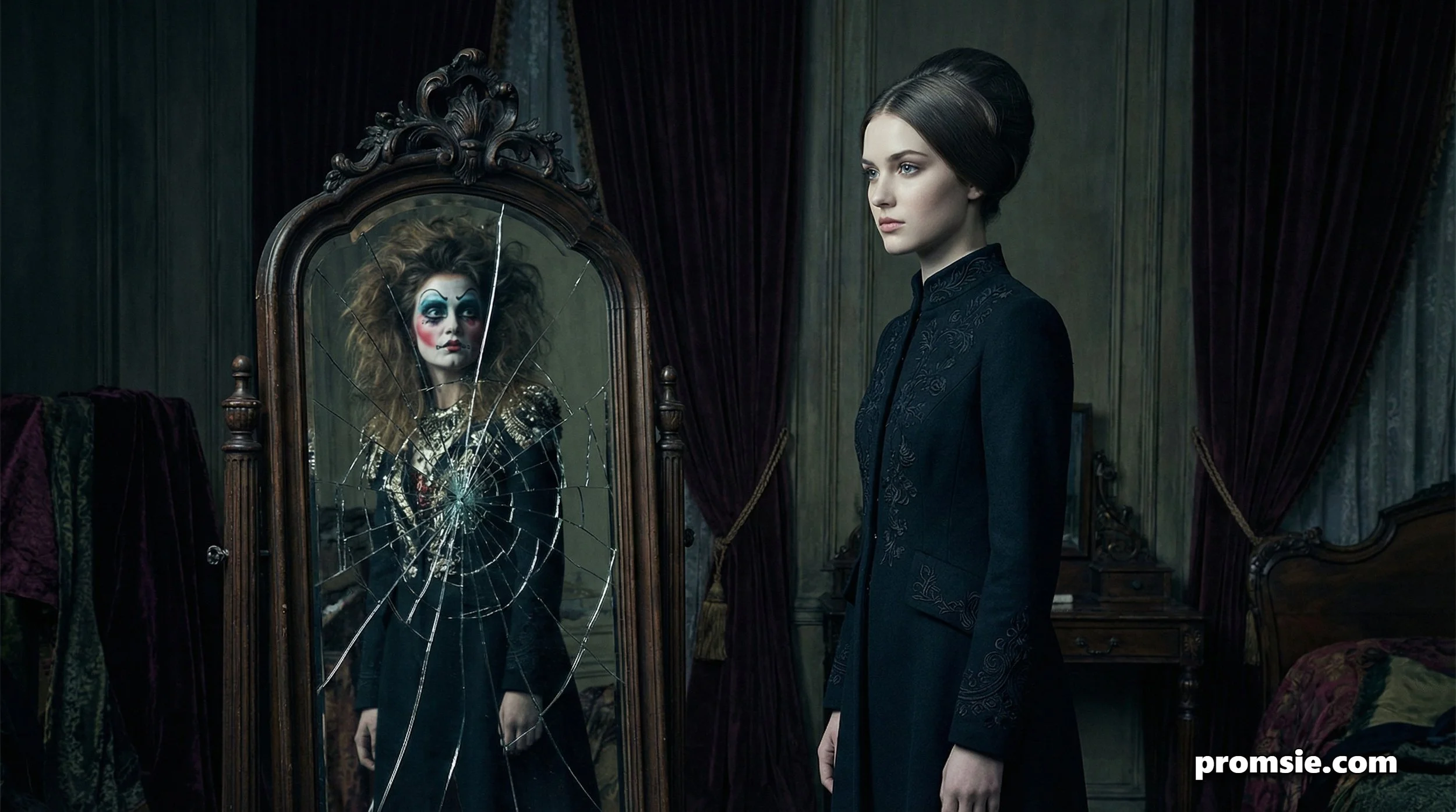
Prom is a high-pressure environment where people feel compelled to cosplay as someone else. If you are a minimalist who wears mascara and jeans, do not let a makeup artist plaster you in heavy contour and false lashes that feel like spiders.
If you hate heels, do not wear them. The mistake is editing yourself so heavily that you do not recognize the person in the mirror.
This creates a subconscious discomfort. You spend the night adjusting your clothes, touching your hair, and feeling like an impostor.
The photos come back, and you look like a stranger.
The best look is an elevated version of your actual aesthetic, not a copy-paste of an influencer who looks nothing like you. Authenticity reads better on camera than discomfort ever will.
The Survival Protocol
The data from our "Autopsy" is clear: the difference between a legendary night and a digital disaster isn't the size of your budget—it’s the precision of your preparation.
If you’ve mastered the Neckline-to-Hair Matrix, synchronized your makeup chemistry, and packed your ten-gram emergency kit, you aren't just attending prom; you are directing it.
Your night is an investment of capital, time, and identity. Don't leave the ROI to chance. Revaluate your choices now, break in the shoes tomorrow, and walk into the room knowing that while others are dealing with "Meltdowns," you are operating with total Structural Integrity.
The night belongs to the prepared.