Beyond the Stiff Lineup: How to Shoot Your 2026 Prom Like a Movie Scene
Ditching the Awkward Prom Pose Tradition
For decades, the standard protocol for pre-dance photography involved standing on a freshly manicured suburban lawn, rigidly pinning a boutonniere, and staring blankly into a parental camera lens. You know the exact photo. Two people standing shoulder to shoulder, arms awkwardly glued to their sides or locked in a forced embrace, smiling until their cheeks twitch.
We are leaving that entirely in the past for 2026. The shift taking over the aesthetic landscape is strictly editorial. You want your photo dump to look like a storyboard from an independent film studio, not a glossy catalog advertisement from a mall department store.
Getting this right requires completely rewiring how you interact with the camera. Forget holding perfectly still. Forget asking if everyone is looking at the lens. You need to start treating the camera as a passive observer rather than an active director.
This means ignoring the person holding the phone and focusing entirely on the environment and the people around you. When you stop posing and start occupying the space, the results immediately upgrade from a standard yearbook submission to a cinematic fashion editorial. We are chasing genuine interaction, atmospheric lighting, and architectural drama.
The Core Concept of Sequential Posing
To capture that authentic movie scene vibe, you have to abandon the singular static pose. Instead, focus on the movement. Cinematic photography relies heavily on the illusion of motion.
The goal is to finish your session with three or four distinct photos that look exactly like consecutive frames pulled from a high-budget film. You achieve this by creating a continuous action and having your photographer snap continuously through the entire sequence.
Start a few feet back and walk slowly toward the camera. Keep your eyes directed downward at the ground or focused entirely on your partner. Do not look down the barrel of the lens. The magic happens in the space between the steps. The fabric of your clothes shifts, your posture naturally relaxes, and the artificial stiffness completely melts away. You are giving the camera something to catch rather than something to stage. If you pause, make it a mid-movement hesitation rather than a full stop.
Nailing the Mid-Movement Interaction
During that slow promenade toward the camera, the interaction between subjects becomes the entire focal point. This is where you inject the storyline into your photo series.
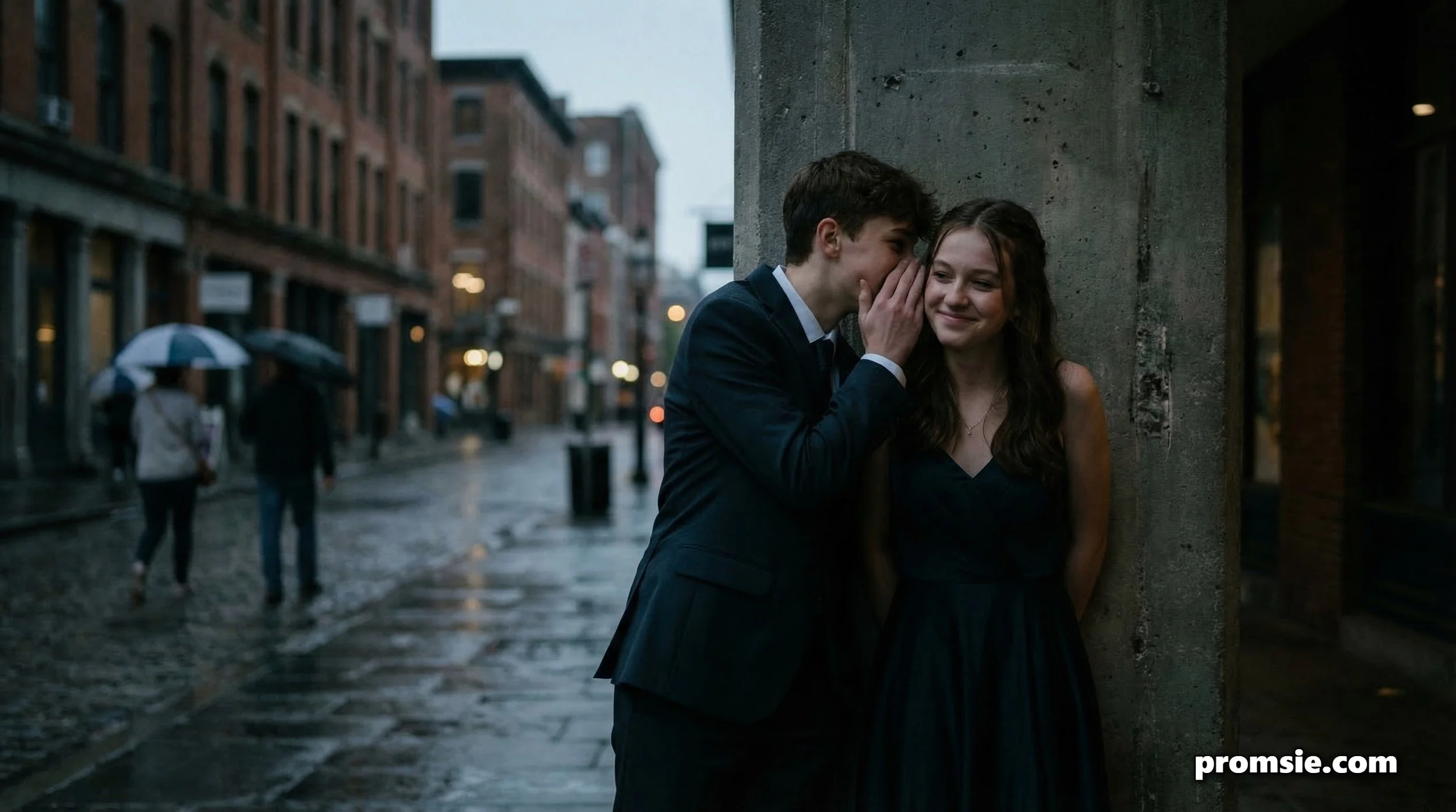
A movie scene is never just two people walking in silence; there is always an exchange of energy. As you step forward, turn your head to drop a quick comment over your shoulder. Bump elbows gently or share a subtle, entirely unforced laugh. The camera will freeze these split-second exchanges, capturing the natural tension and chemistry of the moment.
If you are shooting solo, interact with the environment. Let your hand trail along the concrete wall next to you or casually brush a piece of hair out of your face as you look off-camera toward an unseen light source.
The trick is to keep the body engaged in a task, no matter how minor. This prevents the hands from retreating awkwardly into pockets and keeps the shoulders from stiffening up into that dreaded defensive posture.
The Dramatic Walk-Away Shot
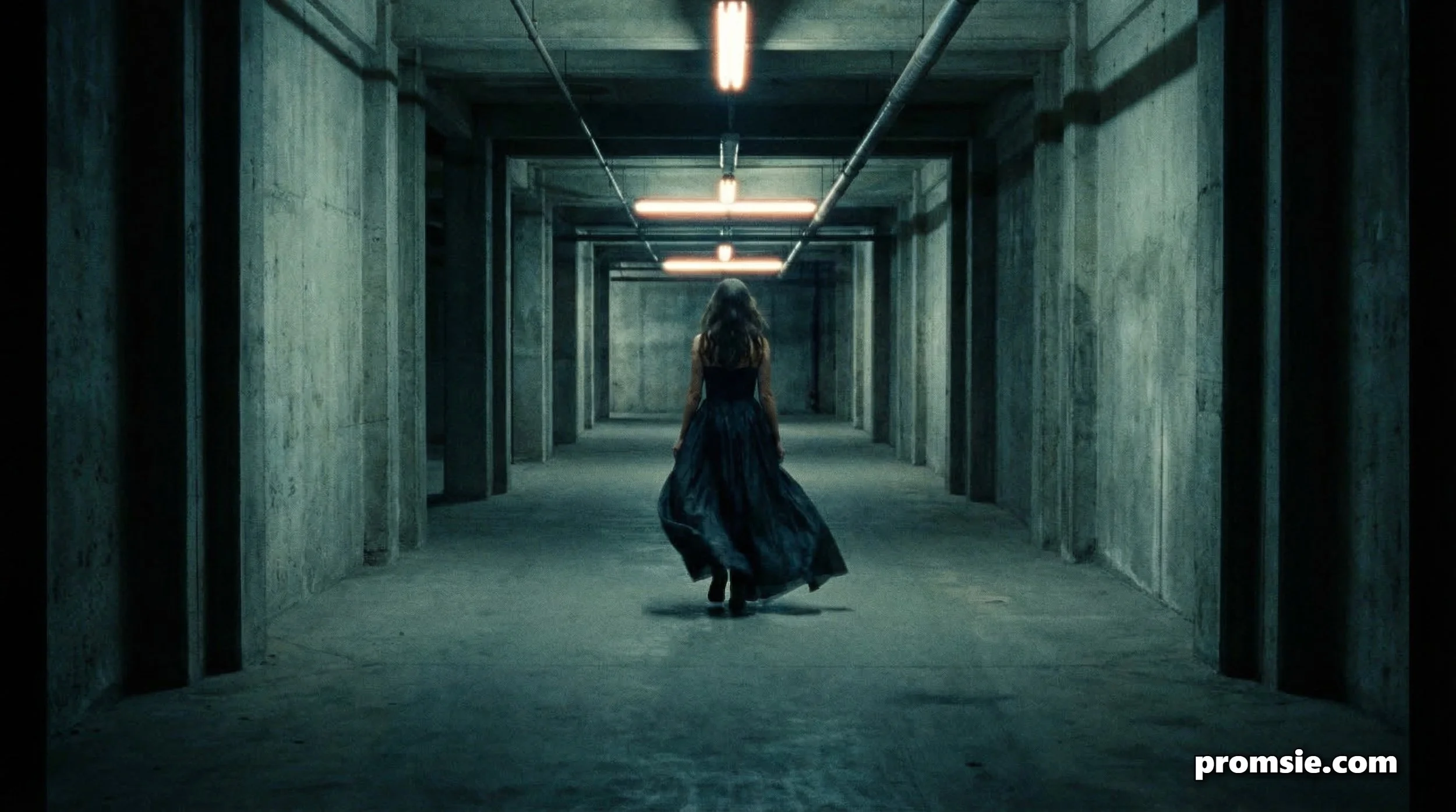
Every good film sequence requires a closing shot. Once you have captured the forward motion and the mid-step interactions, you need the walk-away. This is a wide shot taken from behind as you move away from the camera and deeper into the venue architecture.
This specific angle serves a massive dual purpose. First, it highlights the back of the garment, which is often completely ignored in traditional front-facing portraits. Whether you have an intricate lace back, a sharp suit jacket vent, or an elaborate train, the walk-away lets the clothing breathe and flow exactly as designed. Second, the wide angle establishes the setting and mood.
The photographer needs to step back far enough to capture the vastness of the space around you. You shrink into the environment, letting the sheer scale of the building or room swallow you up just a bit. It is moody, atmospheric, and an incredibly strong way to close out a photo carousel.
Industrial Luxe is the New Botanical Garden
We are officially moving away from the local botanical garden, the grassy park down the street, and the country club golf course. The defining backdrop for 2026 is Architectural Noir. Writers and trendsetters are universally pointing toward brutalist structures and modern urban elements.
Ditch the trees and find leading lines. You want concrete parking ramps, towering glass office buildings, steel fire escapes, and exposed brick alleyways. These raw, industrial textures provide a massive visual contrast to the high-end glamour of formalwear.
When you put a velvet suit or a silk slip dress against rough, untreated concrete, the clothing suddenly pops with incredible intensity. The harshness of the urban landscape makes the elegance of the styling feel intentional and edgy rather than predictable. It screams high-fashion magazine spread rather than suburban family photo album.
Framing with Concrete and Glass
Actually, finding an industrial location is only half the battle; you also have to know how to use the architecture. The technical secret here involves utilizing the vertical lines of the building to frame your subject.
Look for the massive concrete pillars in a parking structure or the repeating steel beams of a city bridge. Position yourself right between these elements so they create natural borders on the left and right sides of your photo. This technique draws the eye instantly toward the center of the frame while establishing a cold, geometric mood.
Glass office buildings offer a different kind of magic. Shoot near reflective windows just as the sun starts going down to capture the moody, mirrored reflections of the city behind you. The juxtaposition of sleek glass against dark formalwear creates a hyper-modern aesthetic that feels incredibly expensive and meticulously art-directed.
The Silent Disco Portrait Hack
A massive element of the 2026 experience involves the silent disco trend taking over after-parties and alternative venues.
Since the receipts show these events are a major factor this season, your photography strategy absolutely must account for the hardware. You cannot pretend the massive glowing headphones do not exist; you have to incorporate them seamlessly into the editorial vision.
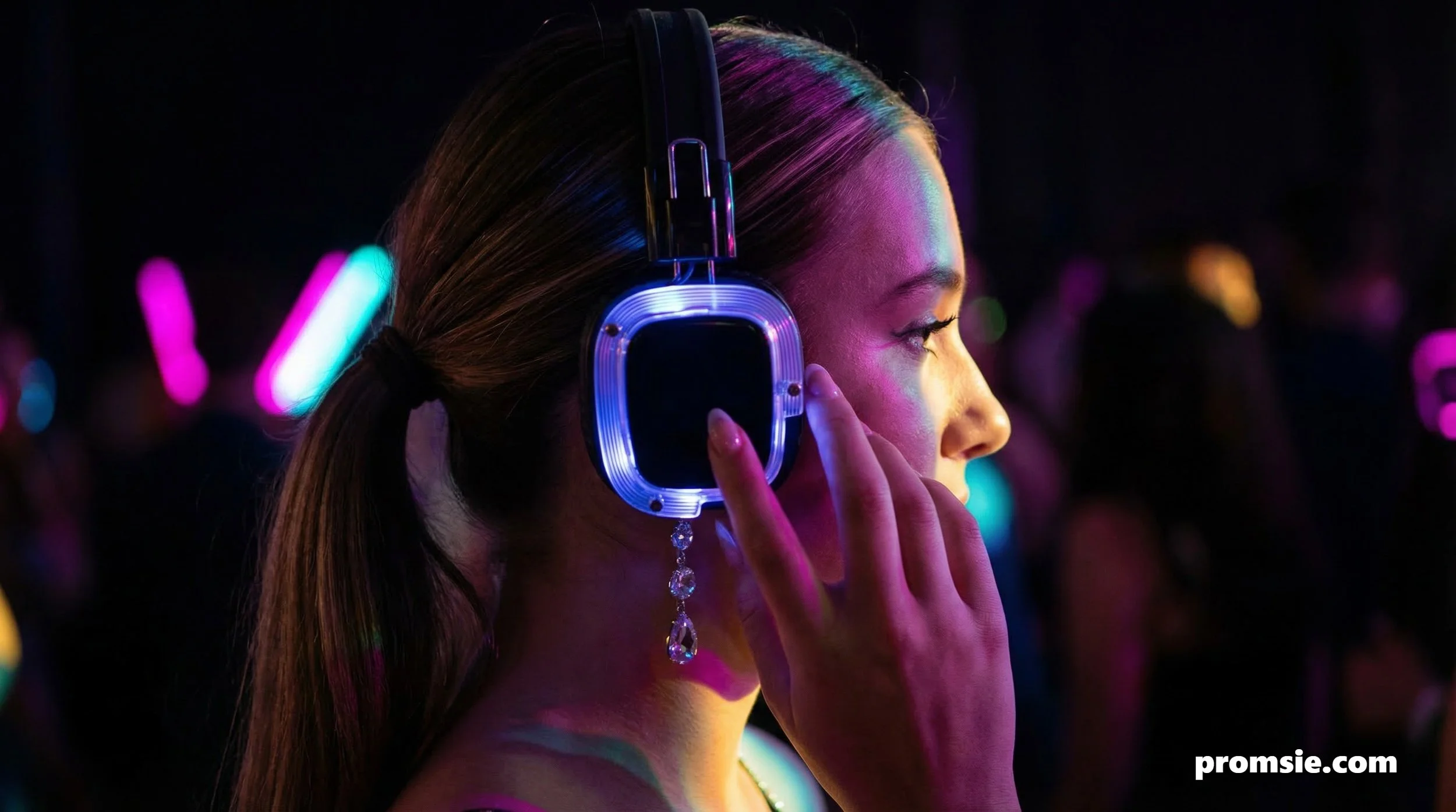
The quick fix here is what we are calling the Headset Profile. Instead of shooting straight on, turn your body completely to the side.
The photographer focuses entirely on the side of the face where your hand is naturally reaching up to adjust the headphone cup. This specific gesture feels candid, relaxed, and deeply rooted in the music festival aesthetic. It turns a clunky piece of audio equipment into an interactive prop.
Pairing Hair and Jewelry for the Headphone Aesthetic
So, you cannot just throw massive headphones over any hairstyle and expect it to look cinematic. If you know the silent disco hardware is going to be part of the night, you have to plan the styling specifically to accommodate it. Emphasize sleek, architectural hair.
Low-sleek ponies and slicked-back buns are the only way to make this headset shot look highly editorial rather than messy and cluttered. Voluminous curls or high updos will inevitably get crushed or tangled in the headphone bands, creating a chaotic silhouette.
Once the hair is secured low and tight, you need to introduce metallic elements to catch the ambient light. Drop-earrings are absolutely crucial here. A long, sharp drop-earring hanging just below the bulky headphone cup creates a brilliant flash of luxury. It bridges the gap between the heavy industrial plastic of the headset and the delicate elegance of the face.
Smartphone Settings for the Cinematic Film Look
You do not need to hire a professional photographer with a heavy camera rig to pull off these visuals. You simply need to stop shooting on the default phone settings. Every modern smartphone has hidden tools to replicate that expensive, shallow depth of field you see in movies.
Start by opening up Portrait Mode, but do not just accept the automatic blur. Dig into the depth settings and slide the f-stop down to the lowest possible number, ideally around f/2.8 or lower. This specific adjustment completely blurs out the distracting background elements.
The harsh concrete and metal of your industrial location melt into soft, buttery shapes and glowing points of light. This effect immediately separates the subject from the background, forcing the eye exactly where you want it and mimicking the optical characteristics of vintage cinema lenses.
Using Burst Mode for Flawless Fabric Flow
One of the biggest hurdles in photographing movement is capturing the exact fraction of a second when everything looks perfect. If you try to snap a single photo while walking, you will almost certainly catch an awkward foot placement, a closed eye, or a weird wrinkle in the fabric.
This is where you absolutely must depend on Burst Mode. During the slow promenade walk toward the camera, the photographer needs to hold down the shutter button to take dozens of photos in rapid succession.
This guarantees that you will catch the exact moment the fabric of the dress flares out beautifully or the suit jacket flows perfectly behind the shoulders. Out of forty rapid-fire shots, thirty-nine might look totally chaotic, but one will possess that flawless, impossible-to-stage cinematic grace. You simply delete the outtakes and keep the masterpiece.
The Over-Acting Trap and How to Dodge It
But here is the thing, there is a massive risk when trying to shoot cinematic photos: the cringe factor. If you try to act too much, the photos immediately read as a high school play rather than a moody indie movie.
The instinct is usually to throw your head back into a massive, exaggerated laugh or to stare aggressively off into the distance like a soap opera villain. These forced emotions completely destroy the editorial illusion.
Authenticity is the only currency that matters in this style of photography. Fake interaction creates the exact same stiff lineup energy we are trying to escape, just in a different font. You have to actively fight the urge to perform for the camera.
Micro-Movements Over Massive Gestures
The fix for the over-acting trap lies entirely in mastering micro-movements. Do not tell your partner to laugh on three. Instead, physically lean in and whisper a terrible joke or a piece of random gossip.
Do not pretend to fix your cufflink; actually unbutton it and button it back up slowly. Real, functional interaction always translates beautifully to the camera. The micro-movements of real muscles reacting to genuine stimuli create the subtle, authentic film frame aesthetic.
A slight smirk, a quick glance downward, or the minimal shifting of weight from one hip to the other is all the action you need. Keep the movements small, keep the conversation real, and let the camera do the heavy lifting of turning that reality into art.
You will end up with an album that looks effortlessly cool and entirely ahead of the curve. Actually, the absolute best test of a good cinematic sequence is whether it works completely in black and white. Try throwing a monochrome filter on your final walk-away shot and see if it looks like an indie film poster.